BMI and Tummy Tuck Surgery: What Is the Ideal BMI Before a Tummy Tuck?
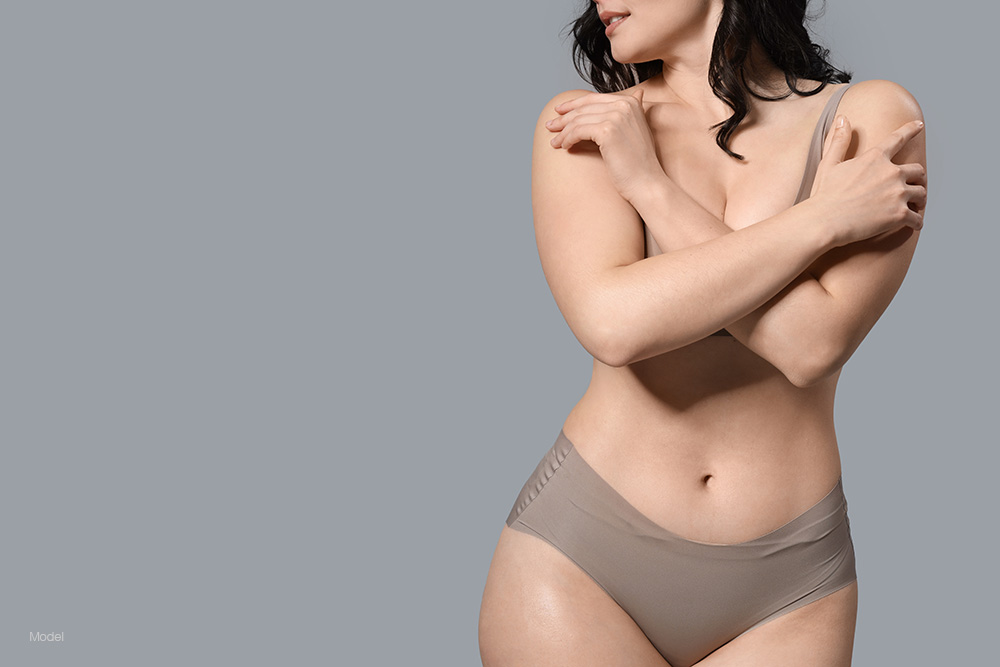
Patients searching for a tummy tuck in Miami often ask the same question: “What BMI do I need for a tummy tuck?” The reality is that BMI is only one piece of the puzzle. While Body Mass Index can help estimate surgical risk, it does not accurately measure body composition, fat distribution, muscle mass, or overall health.
In plastic surgery, especially with tummy tuck surgery, those details matter. Some patients with a “higher” BMI may actually be excellent candidates, while others with a “normal” BMI may have significant visceral fat, poor skin quality, or underlying metabolic issues that make surgery less ideal.
Understanding the relationship between BMI, body fat, visceral fat, weight loss, and GLP-1 medications can help patients achieve safer surgery and dramatically better tummy tuck results.
What Is BMI?
BMI, or Body Mass Index, is a formula based on height and weight used to categorize patients as:
- Underweight
- Normal weight
- Overweight
- Obese
Although BMI is widely used in medicine, it has major limitations, especially in aesthetic surgery.
BMI does not distinguish between:
- Muscle and fat
- Athletic patients and sedentary patients
- Visceral fat vs subcutaneous fat
- Different body shapes and fat distribution patterns
For example, a muscular patient may technically have an “overweight” BMI while being healthier and lower risk than a sedentary patient with a normal BMI and high abdominal visceral fat.
That is why BMI alone is not a perfect tool for evaluating tummy tuck candidates.
Why Plastic Surgeons Still Care About BMI
Despite its limitations, BMI still matters because increasing BMI generally correlates with increasing surgical risk.
Higher BMI patients tend to have increased risks of:
- Wound healing complications
- Infection
- Seromas
- Blood clots (DVT/PE)
- Anesthesia complications
- Delayed recovery
- Poor scar quality
- Residual abdominal fullness
- Less defined body contouring results
A tummy tuck is a major operation involving:
- Skin removal
- Tightening of abdominal muscles (diastasis repair)
- Belly button repositioning
- Liposuction in many cases
The healthier and leaner the tissues are before surgery, the better they typically heal afterward.
What Is the Ideal BMI for a Tummy Tuck?
Most board-certified plastic surgeons prefer that patients have a BMI below 30 before undergoing tummy tuck surgery.
Many ideal tummy tuck candidates fall within a BMI range of approximately:
- 22 to 29
However, BMI alone does not determine candidacy.
A qualified plastic surgeon should also evaluate:
- Weight stability
- Fat distribution
- Muscle tone
- Skin quality
- Visceral fat levels
- Overall metabolic health
- Smoking status
- Future pregnancy plans
A healthy, athletic patient with a BMI of 31 may actually be a safer and better candidate than a sedentary patient with a BMI of 25 and significant visceral obesity.
Visceral Fat vs Subcutaneous Fat: The Most Important Concept Patients Need to Understand
When discussing tummy tuck surgery, the difference between visceral fat and subcutaneous fat is critical.
What Is Subcutaneous Fat?
Subcutaneous fat is the fat located:
- Under the skin
- Above the abdominal muscles
This is the “pinchable” fat that can often be improved with:
- Liposuction
- Tummy tuck surgery
- Body contouring procedures
Subcutaneous fat can be directly treated during cosmetic surgery.
What Is Visceral Fat?
Visceral fat is completely different.
Visceral fat is located:
- Inside the abdominal cavity
- Around the organs
- Beneath the abdominal muscles
This creates the firm, rounded abdominal fullness that makes patients often say:
- “My stomach pushes outward”
- “I still look bloated”
- “I can’t flatten my stomach”
- “I still look pregnant”
A tummy tuck cannot remove visceral fat because it is located inside the abdomen, behind the muscle wall.
This is one reason why some patients may still have abdominal projection even after technically excellent tummy tuck surgery.
Why Losing Weight Before a Tummy Tuck Improves Results
One of the biggest mistakes patients make is viewing a tummy tuck as a substitute for weight loss.
A tummy tuck is not a weight loss surgery.
It is a contouring procedure designed to:
- Remove loose skin
- Tighten separated muscles
- Improve waistline definition
- Enhance abdominal contour
Patients who lose weight before surgery usually experience:
- Better contouring
- Smaller waistlines
- Lower complication rates
- Faster recovery
- Improved mobility after surgery
- Better long-term results
- More athletic-looking outcomes
The closer a patient is to their ideal body composition before surgery, the better the final result tends to look.
Why Stable Weight Matters Before Surgery
Weight stability is just as important as weight loss itself.
Patients who continue losing significant weight after a tummy tuck may later develop:
- New skin laxity
- Loose tissue
- Recurrent abdominal sagging
- Changes in contour
Ideally, patients should maintain a relatively stable weight for several months before surgery.
This helps preserve the longevity and quality of the result.
GLP-1 Medications and Tummy Tuck Surgery
GLP-1 medications have completely changed the landscape of body contouring surgery.
GLP-1 medications help patients achieve substantial weight loss by:
- Reducing appetite
- Slowing gastric emptying
- Improving insulin sensitivity
- Enhancing metabolic health
For many patients, GLP-1 medications have made weight loss achievable after years of frustration.
As patients lose weight and improve their body composition, procedures like:
- Tummy tuck surgery
- Liposuction
- Mommy Makeover surgery
- Body contouring after weight loss
can often produce dramatically better results.
Important Safety Considerations With GLP-1 Medications
Patients must inform their plastic surgeon and anesthesia team if they are taking a GLP-1 medication.
GLP-1 medications slow stomach emptying, meaning food may remain in the stomach longer despite fasting before surgery.
This increases the risk of:
- Aspiration during anesthesia
- Aspiration pneumonia
- Serious anesthesia complications
Most surgeons and anesthesiologists now recommend stopping GLP-1 medications before surgery, commonly for approximately one to two weeks, depending on the medication and dosing schedule.
Always follow your surgeon’s specific instructions regarding GLP-1 medications before surgery.
Who Is the Best Candidate for a Tummy Tuck?
The best tummy tuck candidates are typically patients who:
- Are near their goal weight
- Have a stable weight
- Have loose skin or muscle separation
- Are medically optimized
- Have realistic expectations
- Are finished having children
- Understand the difference between weight loss and contouring surgery
The goal of tummy tuck surgery is not simply to remove skin. The goal is to create a natural, athletic, long-lasting abdominal contour while maximizing patient safety.
Sometimes, the single best thing a patient can do to improve their tummy tuck result is spending a few extra months optimizing their health, body composition, and weight before surgery. That effort almost always pays off in the operating room and in the final result.
Schedule Your Tummy Tuck Consultation in Miami, FL, Today
If you are considering tummy tuck surgery and have questions about your BMI, the team at Careaga Plastic Surgery can help. At your consultation, they will answer any questions you may have about your BMI, your procedure, and any other concerns.
To schedule your consultation, call (305) 960-7511 or fill out our online contact form.