7 Questions to Ask Before a Postpartum Tummy Tuck for Diastasis Recti
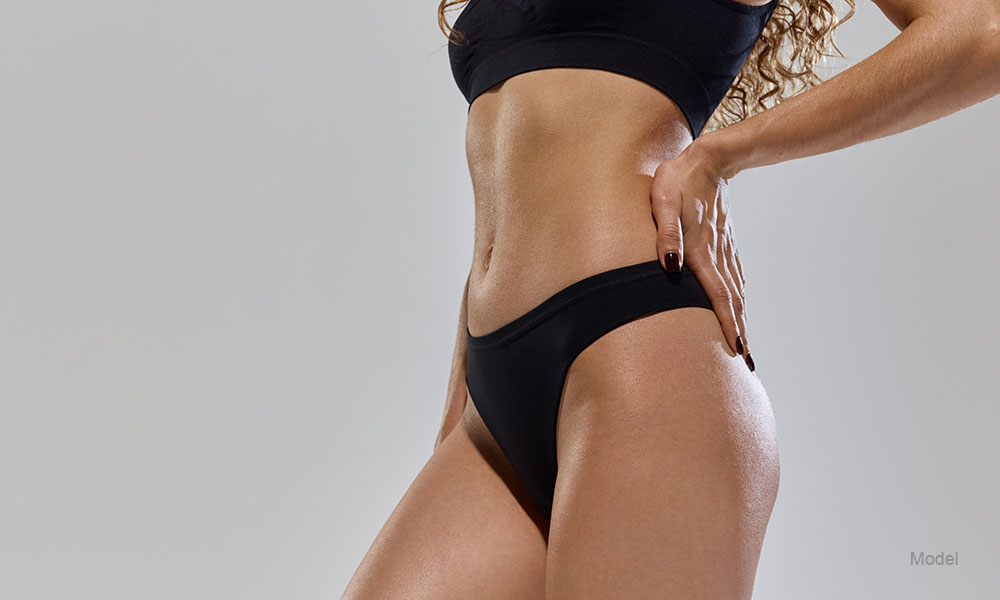
Pregnancy changes the body in ways that diet, exercise, Pilates, and all the planks in the world sometimes simply cannot fix. One of the most common issues women experience after childbirth is diastasis recti, a separation of the abdominal muscles that can leave the stomach protruding even in otherwise fit patients.
Many women come into consultation frustrated because they’ve lost the baby weight, they’re back in the gym, eating clean, doing core workouts, and yet their lower abdomen still protrudes or feels weak. In many cases, the issue is not fat. It’s structural.
A postpartum tummy tuck can repair the abdominal wall, remove stretched skin, tighten the waistline, and restore core support. But before moving forward, there are several important questions every patient should ask.
Table of Contents
- Do I Actually Have Diastasis Recti, or Is It Just Loose Skin and Fat?
- When Is the Right Time After Pregnancy to Have Surgery?
- Am I Finished Having Children?
- Will I Need Liposuction Too?
- How Bad Is Recovery Really?
- What Type of Tummy Tuck Do I Actually Need?
- How Do I Choose the Right Surgeon for a Postpartum Tummy Tuck?
- The Bottom Line
1. Do I Actually Have Diastasis Recti, or Is It Just Loose Skin and Fat?
This is probably the most important starting point.
Diastasis recti occurs when the connective tissue between the left and right abdominal muscles stretches during pregnancy, causing the muscles to separate. Instead of functioning like a tight corset, the abdominal wall weakens and bulges outward.
Common signs include:
- A persistent “mommy pooch”
- Bloating or abdominal protrusion even when thin
- Core weakness
- Back pain
- Difficulty engaging the abs
- A visible ridge down the middle of the stomach when flexing
Some women mainly have loose skin after pregnancy. Others have excess fat. Many have all three: skin laxity, fat deposits, and muscle separation.
This distinction matters because:
- Liposuction removes fat
- Skin tightening improves mild looseness
- Only a tummy tuck repairs significant diastasis recti
No amount of exercise can fully pull severely separated muscles back together once the connective tissue has stretched beyond a certain point.
2. When Is the Right Time After Pregnancy to Have Surgery?
Timing matters more than most people realize.
In general, I recommend waiting:
- At least three months after a vaginal delivery
- Around six months after a C-section
- Until breastfeeding is completed
- Until weight has stabilized
The body continues changing for months after pregnancy. Skin retracts, hormones normalize, swelling improves, and weight fluctuations settle down.
Operating too early can make it difficult to accurately assess how much skin tightening or muscle repair is truly needed.
There’s also the practical side of recovery. A tummy tuck is a major surgery, and the first couple of weeks can be challenging when lifting infants or toddlers. Patients need to realistically consider childcare support during recovery.
3. Am I Finished Having Children?
Can you have a tummy tuck before more pregnancies? Technically yes. Should you? Usually no.
A future pregnancy can stretch the skin and abdominal wall all over again, potentially undoing the repair. That doesn’t necessarily mean the result is destroyed, but it can compromise the outcome and may lead to another surgery later.
For most patients, the best long-term results happen when:
- Childbearing is complete
- Weight is relatively stable
- Lifestyle habits are sustainable
A tummy tuck should ideally be performed when the body has reached a relatively steady “new normal.”
4. Will I Need Liposuction Too?
In many postpartum patients, the answer is yes.
A tummy tuck addresses:
- Loose skin
- Muscle separation
- Stretch marks in the lower abdomen
But it does not fully contour the waistline on its own.
Liposuction is commonly combined with tummy tuck surgery to:
- Sculpt the flanks
- Define the waist
- Improve transition zones
- Reduce fullness of the upper abdomen
This combination often creates a dramatically more natural and athletic result than a tummy tuck alone.
One of the biggest misconceptions is that a tummy tuck is primarily a fat-removal surgery. It’s really a structural and skin-tightening procedure. Liposuction handles the contouring component.
5. How Bad Is Recovery Really?
Honestly? Psychologically, recovery is usually easier than people expect, but physically limiting than they anticipate.
Most patients are surprised that the pain is manageable. What catches them off guard is the temporary loss of mobility and core strength during the first 1-2 weeks.
Typical recovery milestones:
- Walking immediately after surgery
- Driving around 10-14 days
- Return to desk work in 2 weeks
- Light exercise around 4 weeks
- Full gym activity around 6 weeks
For mothers with young children, the lifting restriction is often the hardest part. Patients generally cannot safely lift toddlers for several weeks.
This is why having help at home is incredibly important. The smoother the recovery support system, the easier the process tends to feel.
6. What Type of Tummy Tuck Do I Actually Need?
Not every patient needs the same operation.
This is where online research becomes confusing because terms like:
- Mini tummy tuck
- Full tummy tuck
- Extended tummy tuck
- Circumferential body lift
all get thrown around interchangeably.
The right procedure depends on:
- Degree of skin laxity
- Amount of muscle separation
- Location of excess skin
- Previous C-section scars
- Weight loss history
- Overall body shape
A mini tummy tuck works best for patients with:
- Mild lower abdominal looseness
- Minimal muscle separation
- Good upper abdominal skin quality
A full tummy tuck is more common after pregnancy because pregnancy typically stretches the entire abdominal wall, not just the lower portion.
In patients after major weight loss or multiple pregnancies, an extended tummy tuck or lower body lift may sometimes be needed to address excess skin extending around the flanks and back.
7. How Do I Choose the Right Surgeon for a Postpartum Tummy Tuck?
A tummy tuck is far more technically complex than many people realize.
This is not simply “removing skin.” The surgeon is:
- Reshaping the abdominal wall
- Repairing structural muscle separation
- Repositioning tissues under tension
- Managing blood supply
- Creating scar placement
- Rebuilding the waistline
The details matter tremendously.
When choosing a surgeon, patients should look for:
- Extensive experience with body contouring surgery
- Before-and-after photos of similar patients
- Board certification in plastic surgery
- An accredited operating facility
- A surgeon who personally evaluates and plans the surgery
One thing I always tell patients is this:
A great tummy tuck should not just make the stomach flatter. It should make the entire torso look more balanced and natural.
That requires understanding anatomy, proportions, healing, scar placement, and long-term tissue behavior, not just what looks tight on the operating table.
The Bottom Line
Postpartum changes can be incredibly frustrating, especially for women who work hard to regain their shape and still feel like their abdomen never truly recovered after pregnancy.
Diastasis recti is real. Loose skin is real. And sometimes surgery truly is the correct solution, not because someone “didn’t work hard enough,” but because pregnancy physically changed the anatomy.
The good news is that modern tummy tuck surgery can dramatically improve:
- Core support
- Waistline contour
- Skin laxity
- Muscle separation
- Clothing fit
- Overall confidence
The key is choosing the right timing, the right procedure, and the right surgeon to achieve a result that looks natural and holds up over the long term.
Schedule Your Tummy Tuck Consultation Today – Miami, FL
A postpartum tummy tuck is more than just changing your appearance. It’s repairing your separated muscles, finding the perfect balance for aesthetic harmony, and ensuring your safety and comfort.
Led by double board-certified plastic surgeon Dr. Daniel Careaga, the team at Careaga Plastic Surgery prioritizes your goals and safety to ensure you get the desired results you want.
To schedule your consultation, call (305) 960-7511 or fill out our online contact form.